

Table of Contents
Digitalization has changed many industries. Technological advancements drive multiple sectors into following new standards, setting trends among consumers who now seek accessibility and convenience.
One of the biggest impacts of digitalization is on how people transact, making payments faster and easier than ever. So, how has it changed the gaming industry? Here’s how platforms adjust to financial digitalization that makes gaming more convenient.
Digital Wallets in the Gaming Landscape
A digital wallet is an innovative technology that allows users to store their payment information for multiple payment methods. They include strong security measures, ensuring data and passwords are stored safely while enhancing convenience. Users can then transact without having to share sensitive information when making payments.
As technology evolves, more forms of digital wallets are being introduced for diverse uses. One of the most common types is the software-based digital wallet. This type of wallet works on multiple platforms, including mobile devices and computers.
Mobile Wallets
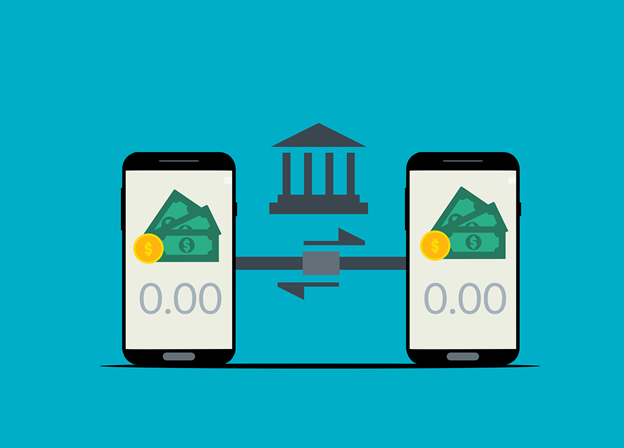
Many people use the terms digital wallets and mobile wallets interchangeably. However, there’s a difference between the two. Mobile wallets, on the one hand, are a subset of digital wallets. There are mobile wallets with features built for smartphones as an app that users can install on their devices.
By using mobile wallets, users won’t have to carry cash or cards when transacting. The mobile wallet will work as a payment method that can be used to transfer money, store money, or make purchases.
Some of the most popular examples include Venmo, Apple Pay, Samsung Pay, Google Pay, and PayPal. Other mobile wallets become prominent in certain gaming platforms, such as Neosurf and Skrill. Casino players would be familiar with Neosurf online pokies, which makes depositing and withdrawing much faster and easier than using traditional payment methods.
Mobile wallets handle transactions efficiently. However, these wallets can also store coupons and gift cards. While using the mobile wallet, users will get a streamlined report for each transaction they’ve made. Thus, it’s also helpful for users to monitor their spending as each transaction is labeled.
Mobile wallets boast high-quality security measures that often assist in detecting fraudulent purchases. With more platforms accepting digital payment, it’s slowly becoming more common for users to fully go cashless with a mobile wallet of their choice.
Crypto Wallets
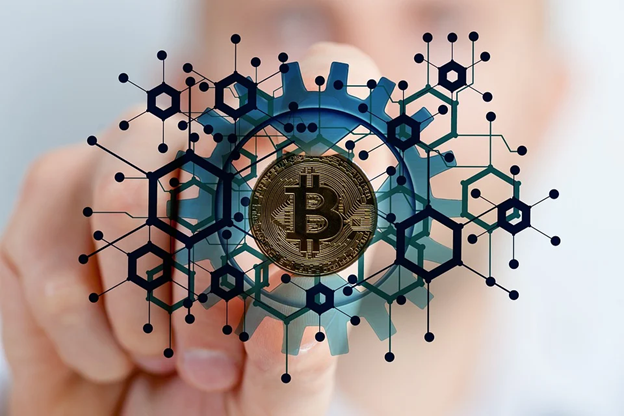
Compared to mobile wallets, crypto wallets are still relatively new in the gaming industry. The aim is to allow crypto users to store and manage their cryptocurrencies. Users who often transact on blockchain-based platforms usually need to use their crypto wallets. They can’t use a regular mobile wallet to make transactions.
Users can store multiple cryptocurrencies in one crypto wallet. They offer an equally strong security measure, ensuring easy access, secure storage, and safe transactions for cryptocurrencies.
Mobile Top-Up Services
Mobile top-up services are starting to gain a bigger role in the gaming industry, especially in unbanked or underbanked areas. These services rely on mobile network infrastructure, where users can exchange physical cash for a digital balance. Players can top up balances through kiosks, convenience stores, or direct mobile carrier billing.
The existence of mobile top-up services makes in-game purchases seamless and quick. Another quality that makes this digital payment method popular is the underlying technology that bypasses the need for bank accounts.
For gamers in remote areas with limited access to banks, mobile top-ups provide an effective solution. It’s an effective way to give access to more gamers who want to enjoy online games and get the full experience as they make in-app purchases.
Challenges and Future Opportunities
There’s a clear, rapid growth in digital payments. Yet, some countries are still facing regulatory and technological challenges. Some areas have varying levels of digital literacy. It drives companies to be more mindful when designing their digital wallets’ interface. In addition, companies must ensure they can provide an extremely robust fraud prevention system as technology develops.
As digital wallets are still developing and evolving, interoperability and seamless data exchange must be the focus for payment providers and gaming platforms. With the increased popularity of gaming, however, it’s likely that gamers would get better options to transact digitally.
E-sports remains the driving force that motivates both industries to keep evolving. Newer technologies are also launched every year to help tackle these challenges. Future innovations like AI-driven personalization will be a key factor in helping digital payment providers and gaming platforms improve. So, gamers can only expect good things to come in the future.